
Project pipeline
Solve it once, not once per council.
The project pipeline is where members from different organisations say what they are building, so teams with the same problem can find each other and work on it together.
A shared view of what public services are building.
Councils, departments and agencies often build the same thing at the same time without knowing it: a booking form, a bin collection lookup, a consultation tool. Each one pays for it, tests it and maintains it alone.
In the pipeline, members describe a piece of work in the open: the problem it solves, how far along it is and what help it needs. Others who have the same need say so, and teams that want to build it together form around it.
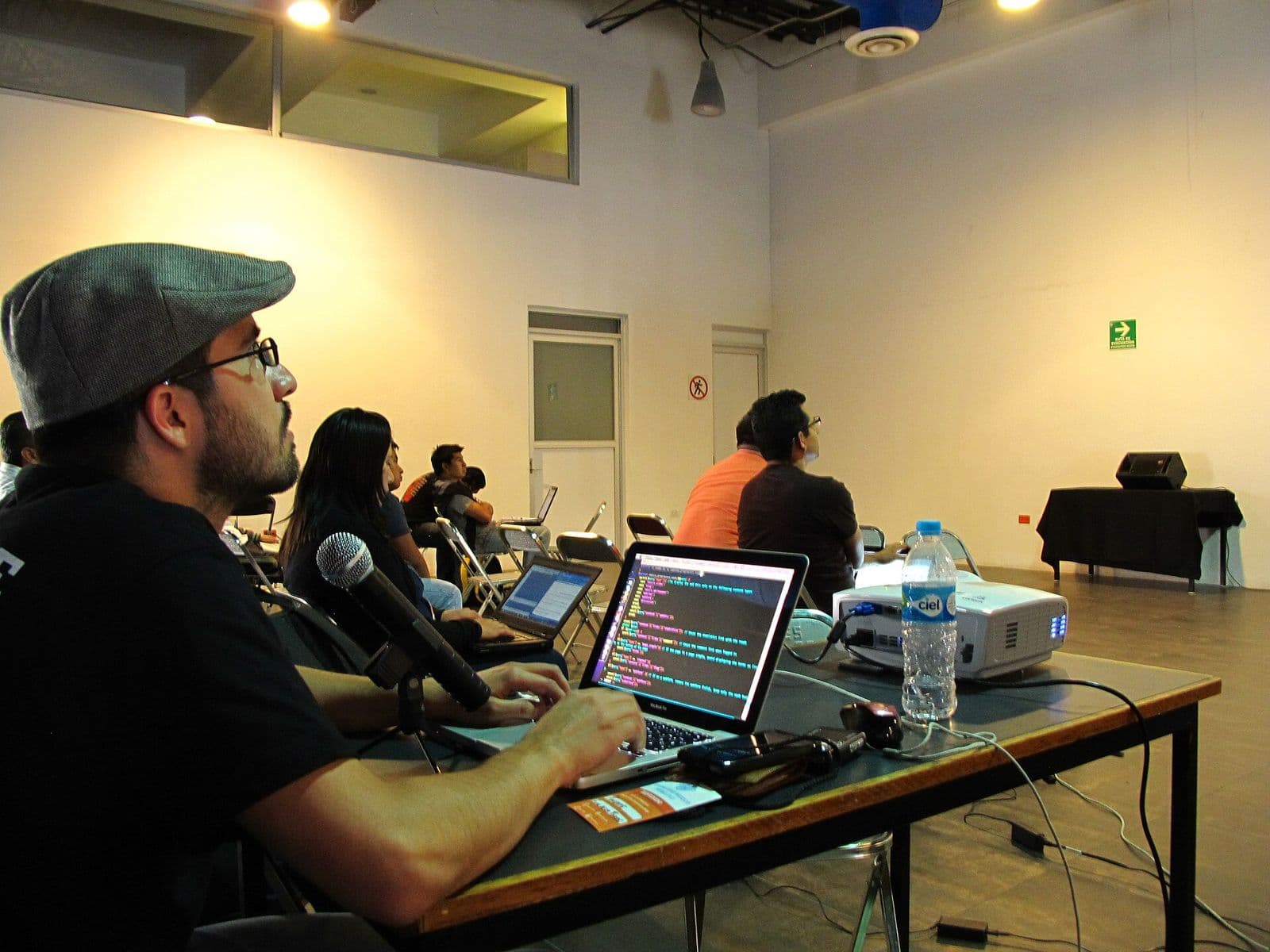

How members use the project pipeline
Share what you're building
Add the problem, the stage you're at and the skills you're missing, from an early idea through to a live service.
Say “we need this too”
When another organisation's work would help yours, say so. It shows the team the need is wider than one place, which helps when they make the case for funding.
Team up across organisations
Join a project as a developer, designer, researcher or tester, and build it once in a way every organisation can pick up.
Reuse it when it's ready
Shared work is open source, so when it ships, any public sector team can install it, adapt it and contribute back.
Members only
Bring the problem you're working on.
Membership is free for people who build public services on Drupal. Once you're in, you can see the pipeline, add your own work and join a team.